
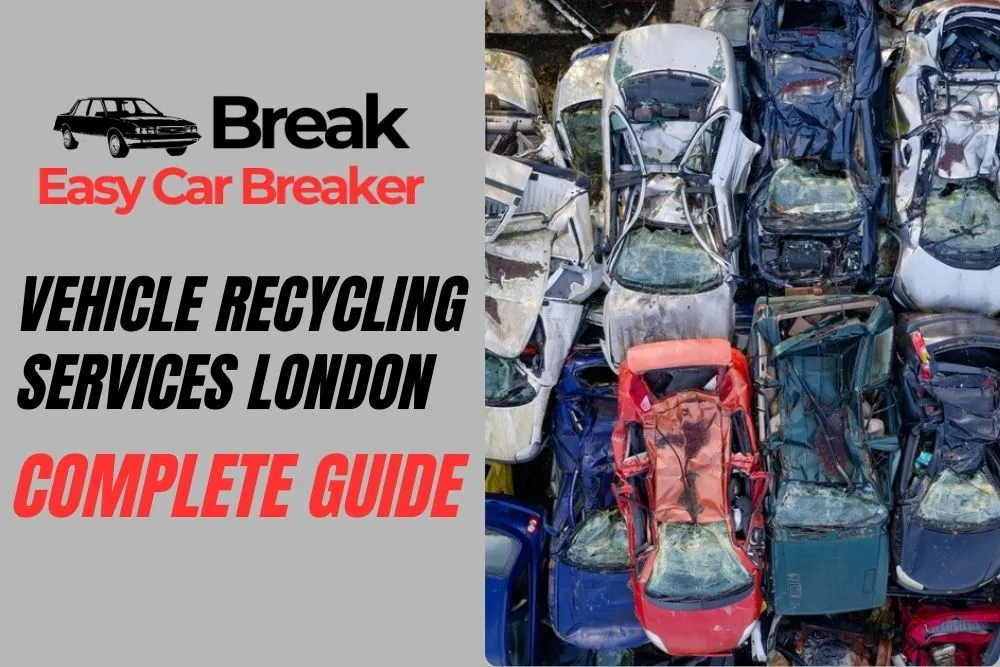
If you own an old, damaged, or unwanted vehicle in London, recycling it makes more sense than letting it sit unused. Vehicle recycling services in London help car owners remove vehicles in a legal and clean way. Many people still feel unsure about the steps, the rules, and the value they may get. This guide explains the full process in plain words so you know what to expect from start to finish.
You will learn how car recycling services in London work, what papers you need, how prices are decided, and what happens after collection. This guide also helps you avoid common mistakes that cause delays or legal trouble later.
What are Vehicle Recycling Services in London?
Vehicle recycling services deal with end-of-life vehicles in a controlled and lawful way. These services collect your vehicle, drain fluids, remove reusable parts, and recycle metal and materials.
This process differs from basic vehicle scrapping in London. Scrapping often focuses only on metal value. End-of-life vehicle recycling in London follows a fixed system that meets UK environmental and legal rules.
In London, only licensed yards can recycle vehicles. These yards are known as authorised treatment facilities. They handle cars, vans, and some commercial vehicles under strict checks.
Legal Requirements for Vehicle Recycling in London
London has heavy traffic and high pollution levels. Old vehicles hold oil, fuel, coolant, batteries, and other harmful waste. Wrong handling can damage land and water.
Authorised vehicle recycling London rules exist to stop this harm. If you use an unlicensed car breaker’s London service, your name may stay linked to the vehicle. This can lead to fines, tax notices, or parking issues later.
Licensed scrap car recycling London services follow clear steps to protect both you and the environment.
Step-by-Step Car Recycling Process in London
Many car owners ask how to recycle a car in London. The process stays simple when you choose a legal service. Here is the usual step-by-step car recycling process the UK follows:
- You share vehicle details like registration, make, and condition
- You receive a price quote based on the current scrap car prices in London
- You book a pickup or drop off
- The vehicle goes to an authorised treatment facility in London
- All fluids and batteries are removed safely
- Usable parts get recovered
- Metal and materials go for recycling
- Your vehicle ownership ends fully
What Documents Do You Need To Recycle a Vehicle in London
Most scrap car services in London ask for basic paperwork. Common documents include:
- V5C logbook or the reference number
- Photo ID in some cases
If you do not have the V5C, many licensed car recycling services with pickup in London still help. They guide you on how to inform the DVLA correctly so that the records are updated.
Certificate of Destruction: What You Need to Know
A Certificate of Destruction proves that your vehicle is fully recycled and removed from the road.
It matters because:
- It ends your legal link to the vehicle
- It protects you from future fines.
- It confirms proper recycling.g
You usually receive it after the vehicle reaches the treatment facility. Always ask when and how you will get it.
Environmental Benefits of Car Recycling in London
Here are the key benefits of car recycling:
- Stops pollution from oils and fluids: Old cars contain oil, fuel, and coolant. Recycling removes these safely and prevents soil and water damage.
- Reduces landfill pressure: Vehicles take up a large space and do not break down easily. Recycling keeps this waste out of landfills.
- Saves raw materials: Steel and aluminium from old cars get reused. This reduces the need for new mining.
- Uses less energy than new production: Recycled metal needs less energy than making metal from raw ore.
- Prevents unsafe dumping: Recycling keeps tyres, batteries, and plastics out of open land and drains.
- Supports cleaner cities: Proper recycling helps manage waste better in high-traffic cities like London.
How Are Vehicle Recycling Prices Calculated in London?
Recycling prices change often. Services use a few main factors.
Factor |
Why it matters |
| Vehicle weight | Heavier vehicles contain more metal |
| Metal market rate | Prices move with global demand |
| Vehicle type | Vans and SUVs often pay more |
| Location | Transport cost affects offers |
| Completeness | Missing parts may lower the value |
Maximizing Your Vehicle’s Scrap Value Before Recycling
Some actions help. Some do not.
What can help:
- Keep the vehicle complete
- Share correct details
- Choose the right time when metal rates are higher.
What usually does not help:
- Washing the car
- Fixing cosmetic damage
- Removing small parts
Should You Sell Car Parts or Recycle the Whole Vehicle?
The choice depends on time and risk.
Option |
Good for |
Downsides |
| Sell parts | Rare or high-value parts | Time and storage issues |
| Full recycling | Fast and legal exit | Lower total value |
Types of Vehicles Accepted for Recycling in London
Licensed recyclers handle many vehicle types.
- Old cars
- Damaged cars
- Non runners
- Accident vehicles
- Vans
- Some commercial vehicles
Environmental Impact of Vehicle Recycling
Recycling reduces waste and pollution.
- Steel and aluminium get reused.
- Fluids get treated safely.
- Batteries get recycled
- Plastic parts get processed
What Happens After Your Car Is Recycled in London?
After recycling:
- Your vehicle record updates
- Road tax stops automatically in many cases.
- Insurance can end
- You receive final proof.
Conclusion
Vehicle recycling in London works best when you follow the legal process and choose a licensed service. It saves time, avoids future trouble, and protects the environment. If you want a clear and simple experience, many vehicle owners trust Break Easy Car Breaker for proper recycling, fair pricing, and smooth vehicle collection without confusion.