
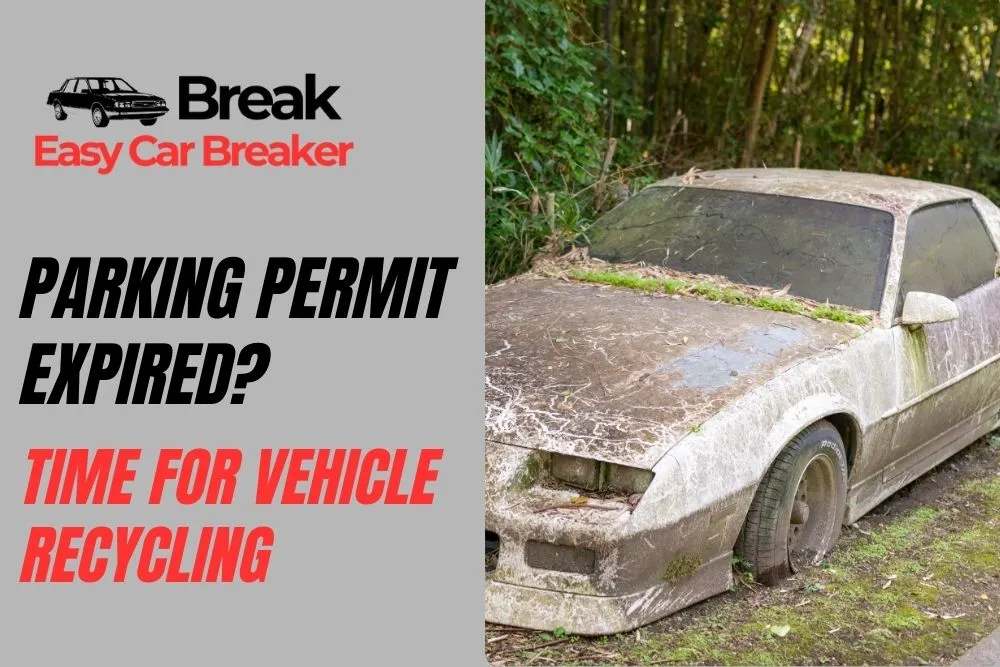
It often starts with a small thing. Your parking permit has expired, and you plan to renew it later. But weeks pass. The car is still parked outside. You may not be using it much anymore. Perhaps it needs repairs, or it has already failed its last MOT. In a busy city like London, an expired permit is not something you can ignore for long. Fines arrive quickly. The council may clamp or tow the vehicle.
If the car is old or rarely used, paying again for a permit, insurance, and repairs may not make sense. Instead of spending money on a vehicle you no longer depend on, recycling it can be a more innovative way forward. You clear the space, avoid penalties, and even get some money back. Let’s look at when this decision makes sense and how to handle it properly.
What Happens When Your Permit Expires in London
Once your permit runs out, your vehicle is treated as parked without authorisation. Councils regularly monitor controlled parking zones, so action usually begins quickly.
Here is what you may face:
- Penalty Charge Notices between £80 and £130
- More tickets if the car stays in the same spot
- Wheel clamping in some cases
- Towing and daily storage fees
- Risk of the vehicle being disposed of if left too long
When It No Longer Makes Sense to Renew
Many people renew their permits out of habit. But it helps to be honest about how much you actually use the vehicle.
Recycling may be the better choice if:
- The car keeps failing its MOT or needs frequent repairs
- Repair costs feel too high for its age.
- You have not driven it for months.
- Insurance, tax, and permit fees feel unnecessary.
- You are planning to replace it anyway.
Don’t Leave It Sitting Too Long
Leaving a vehicle parked without valid documents can lead to bigger problems. If a car is left unused for a long time, councils in London may treat it under abandoned vehicle rules.
They may remove it if it looks unused, damaged, or left without tax, insurance, or a valid permit. In some cases, the vehicle can be disposed of without your involvement, and you may still face charges.
The safer option is to arrange proper vehicle recycling in London through an authorised treatment facility. Once the car is processed:
- You receive a Certificate of Destruction
- You inform the DVLA that you are no longer the owner.
- Your responsibility for the vehicle ends.
How the Recycling Process Works
If you have never recycled a car before, the process is more straightforward than most people expect.
Typical car recycling process in the UK
- Share your vehicle details and get a quote
- Book a collection time that works for you.
- Hand over the car and basic documents
- Usable parts are removed for reuse.
- The remaining body is processed for metal recovery.
- You receive payment and official confirmation.
The Money Side of the Decision
Keeping an unused car often costs more than people realise.
Expense |
What it can cost |
| Permit renewal | Annual fee based on your zone |
| Parking fines | £80 to £130 each |
| Towing and storage | £200 or more |
| MOT and repairs | Often several hundred pounds |
| Recycling value | Payment based on weight and parts |
For many owners of an end-of-life vehicle in the UK, recycling is the option that stops money going out and brings some back
What You Need to Get Started
The process is simple, and you do not need much paperwork.
- V5C logbook, if you have it
- Photo ID
- Vehicle keys, if available
- Bank details for payment
If the logbook is missing, most authorised services will guide you through the DVLA update.
Conclusion
An expired permit is often a sign that a car is no longer part of your everyday life. In London, leaving it parked without action can quickly lead to fines, towing, and unnecessary stress. Recycling gives you a clean and practical way out. You avoid penalties, free up space, and recover some value from a vehicle you no longer need. If you decide the time has come, a local service like Break Easy Car Breaker can collect the car, handle the paperwork, and make the whole process easy from start to finish.