
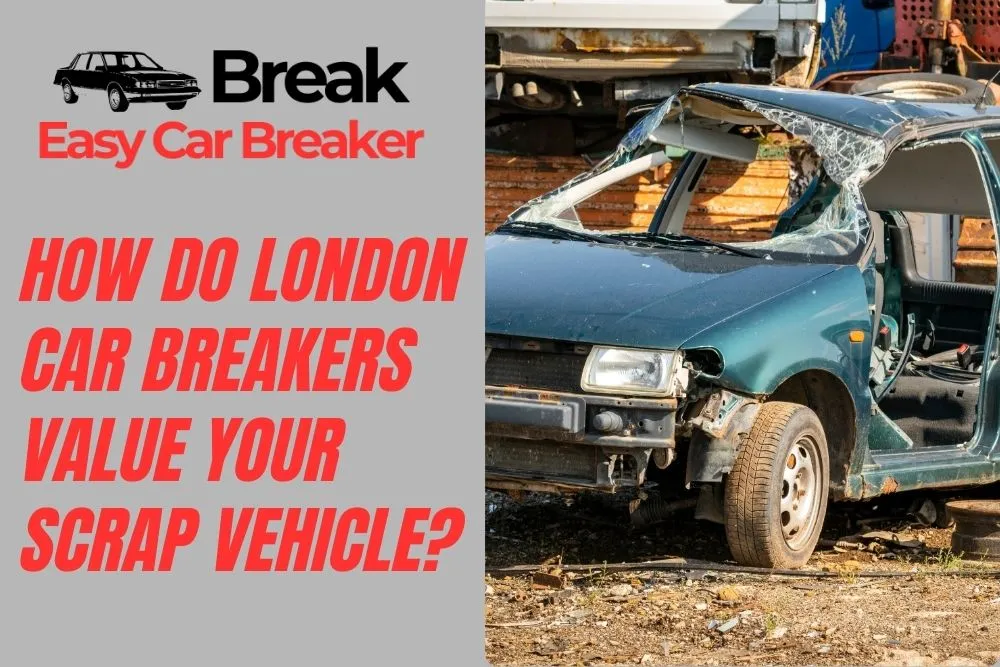
If you plan to scrap a car in London, the first question that comes to mind is simple. How much will I get for it? Many car owners expect a fixed price, but scrap values do not work that way. London car breakers look at several things before they give a final figure. Some of these factors change daily. Others depend on your car alone.
Scrap prices in London can vary a lot from one breaker to another. Two cars that look similar can get very different offers. This happens because valuation is not guesswork. Breakers follow a method based on metal rates, vehicle details, and removal costs. When you understand this process, you know what to expect. You also know when an offer makes sense and when it does not. This guide explains how the system works in clear terms so you can make the right call before selling your scrap vehicle.
What Determines Scrap Car Prices
Scrap car prices in the UK depend first on the metal market. Cars contain steel, aluminium, copper, and other metals. These materials get sold to a recycling plant—their market price changes often, sometimes even week to week. When metal prices rise, breakers can pay more. When prices drop, offers fall too.
Vehicle weight plays a big role here. Heavier cars usually contain more metal. That means higher scrap value. A small hatchback often brings less money than a large saloon or SUV, even if both are in poor shape. Breakers check the model and year to estimate its weight before giving a quote.
Location also affects scrap car prices UK-wide. London breakers face higher costs. Yard rent, labour, and transport fees cost more in the city. Some areas also have strict access rules. These costs get added to the final price. That is why a car in central London may get a slightly lower offer than the same car outside the city.
Paperwork matters too. Cars with correct ownership documents are easier to process. Missing V5C details can slow things down and reduce the price. Breakers prefer cars they can log and report without delays.
Metal Value vs Car Condition
Many owners think a broken car has no value. That is not true. In most cases, metal value matters more than car condition. A car that does not start still has steel, alloys, and parts that can be reused or recycled.
That said, condition still plays a role. If your car has usable parts, breakers may pay extra. Engines, gearboxes, catalytic converters, and alloy wheels add value. Cars that arrive complete often get better offers than cars missing major parts.
Catalytic converters deserve special mention. They contain precious metals like platinum and palladium. If your car still has its converter fitted, the scrap value often increases. Cars without one usually get less.
Rust also affects value. Heavy rust reduces usable metal weight. It can also raise processing time. Light surface rust is normal and rarely changes the price much. Severe corrosion does.
So when people ask how much my scrap car is worth, the answer depends on the balance. The metal sets the base price. Condition can push it up or pull it down.
How Breakers Calculate Final Offers
The car breakers’ valuation process follows clear steps. It may look quick from the outside, but there is logic behind it.
- First, breakers identify your car. They check make, model, engine size, fuel type, and year. This helps them estimate weight and metal content.
- Next, they apply the current scrap metal rate. This rate comes from national and global markets. It forms the base value of your scrap vehicle valuation.
- Then they look at parts value. If the car has resale parts, the offer may rise. If parts are missing or damaged, the offer may drop.
- Transport costs come next—distance from the yard matters. A car parked in a tight London street costs more to collect than one with easy access. This affects the final price.
- Legal and admin costs also get factored in. Breakers must follow rules for disposal and reporting. These steps cost money and time.
- After all this, the breaker gives a final figure. This is why prices differ even between nearby yards. Each breaker has different costs and buyer links.
Why Online Quotes and Final Prices Differ
Many people notice that online quotes change after inspection. This frustrates sellers, but there is a reason. Online tools work on averages. They assume standard conditions and full parts.
If your car matches those details, the price stays close. If it does not, breakers adjust the offer. Missing converters, locked wheels, or access issues often lead to changes.
Honest details help here. When you give accurate info upfront, you avoid surprises later.
Tips to Get a Fair Scrap Price in London
A few simple steps help you get a fair deal:
- Have your documents ready. This builds trust and speeds things up.
- Describe the car honestly. Mention missing parts or damage.
- Ask if the collection is free. Do not assume.
- Compare more than one breaker. Prices vary across London.
- Confirm payment method and timing. Same-day payment is common, but always check.
Conclusion
London car breakers value scrap vehicles based on metal prices, car weight, condition, and local costs. The process is not random. It follows clear steps that balance market rates and practical expenses. When you understand this, you can judge offers with confidence.
If you want a clear and fair valuation with no confusion, Break Easy Car Breaker offers a simple and honest process. They explain prices, handle paperwork properly, and make scrapping your car in London straightforward from start to finish.