
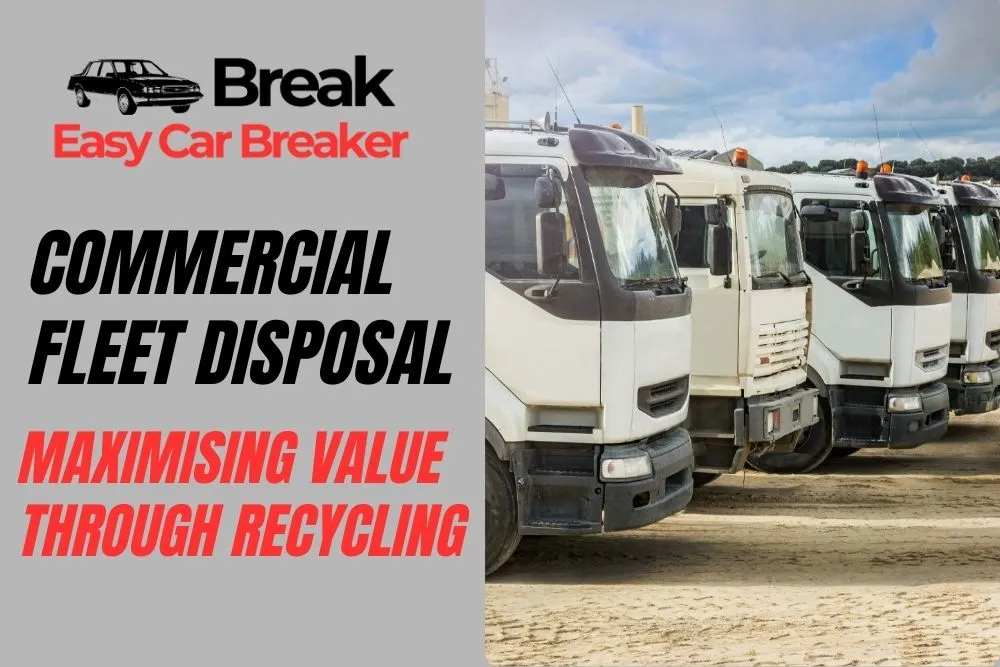
The UK processes over 2 million end-of-life vehicles every year, and nearly 95% of each car is recovered through reuse or recycling. For commercial fleets, this is more than an environmental statistic. It shows a significant financial opportunity. Many businesses continue operating ageing vehicles until they become liabilities, losing value through repairs, downtime, and poor fuel performance.
Fleet operators across London now review disposal earlier and recover value through structured recycling. When appropriately planned, commercial fleet recycling turns worn vehicles into usable assets while keeping operations efficient and compliant.
8 Strategies for Maximising the Value of Commercial Fleet
1. Time Disposal to Protect Asset Value
The most significant factor in fleet vehicle disposal returns is timing. Once a vehicle begins to suffer major mechanical failure, its recoverable value drops sharply.
Fleet managers should review vehicles for exit when:
- Repair costs increase beyond normal service levels
- Breakdown frequency starts affecting service delivery.
- Fuel consumption rises above the fleet average.
- Emissions or compliance risks appear.
Early disposal improves fleet asset recovery by keeping key components, such as engines, transmissions, and electronic systems, in usable condition. Waiting too long often reduces the vehicle to fundamental metal value.
2. Use Condition-Based Fleet Reviews Instead of Age Alone
Age or mileage alone does not reflect a vehicle’s actual condition. Some units remain reliable beyond expected timelines, while others decline earlier due to heavy use.
A condition-based review should track:
- Total annual maintenance cost
- Major component replacements
- Downtime hours
- Accident or structural damage
Regular reviews help identify underperforming assets early. This allows businesses to plan batch disposal, thereby improving negotiating leverage with recyclers and reducing operational disruption.
3. Maximise Returns Through Bulk Fleet Recycling
Handling vehicles individually often results in inconsistent pricing and increased administrative effort. Bulk processing improves efficiency and total return.
Benefits of bulk disposal include:
- Volume-based pricing structures
- Faster removal from operational sites
- Centralised documentation and compliance handling
- Reduced internal workload
Businesses managing multiple scrap cars in London, U.K., often partner with established car breakers to secure better commercial terms and quicker processing.
4. Recover More Value Through Professional Dismantling
Modern commercial fleet recycling focuses heavily on component recovery before metal processing. Vehicles that enter the system in reasonable condition generate value from multiple sources.
High-demand reusable components include:
- Engines and gearboxes
- Electronic control units and wiring systems
- Alternators, starters, and batteries
- Doors, panels, and interior assemblies
- Wheels and commercial tyres
This multi-stage recovery approach significantly increases total return compared to sending vehicles directly for crushing.
5. Ensure Compliance Through Authorised Treatment Facilities
All end-of-life vehicle recycling in the UK must be handled through licensed Authorised Treatment Facilities. These facilities follow strict environmental and legal procedures.
The process includes:
- Safe removal of oils, fuel, and hazardous fluids
- Controlled dismantling and material separation
- Recycling of metals and approved disposal of waste
- Issuance of a Certificate of Destruction
This certificate protects the business from future ownership liability and confirms that the vehicle has been processed legally.
Also Read: ELV Disposal Rules Every London Driver Should Know
6. Plan Efficient Collection Across Fleet Locations
Fleet disposal often involves vehicles across different depots or operational sites. Coordinated scrap car collection services in London allow businesses to remove vehicles without disrupting daily operations.
Professional collection helps to:
- Free up valuable yard or parking space
- Avoid internal transport costs.
- Schedule removals around operational hours
- Manage high vehicle volumes efficiently.
7. Operational Gains from Early Fleet Recycling
The financial value of recycling extends beyond the final payment. Removing ageing vehicles improves overall fleet performance.
Early recycling helps businesses:
- Reduce fuel and maintenance costs
- Lower unexpected breakdown risks
- Improve driver safety and reliability.
- Maintain consistent service levels.
8. Environmental and Business Benefits of Fleet Recycling
Recycling supports both compliance and corporate responsibility goals. With up to 95 per cent material recovery, fleet recycling reduces environmental impact while supporting circular use of resources.
Key benefits include:
- Reduced landfill waste
- Lower demand for new raw materials
- Reduced carbon impact from manufacturing
- Support for sustainability reporting and ESG targets
Conclusion
Maximising value from ageing fleet vehicles depends on timing, condition monitoring, and working with experienced recycling partners. Businesses that approach fleet vehicle disposal strategically recover higher returns, improve operational efficiency, and stay aligned with UK environmental standards.
For organisations across London, Break Easy Car Breakers offers reliable local support with compliant processing, fast scrap car removal, and efficient collection services. Whether managing a small commercial fleet or large-scale operations, the right partner helps turn vehicle recycling into a practical and profitable part of fleet management.