
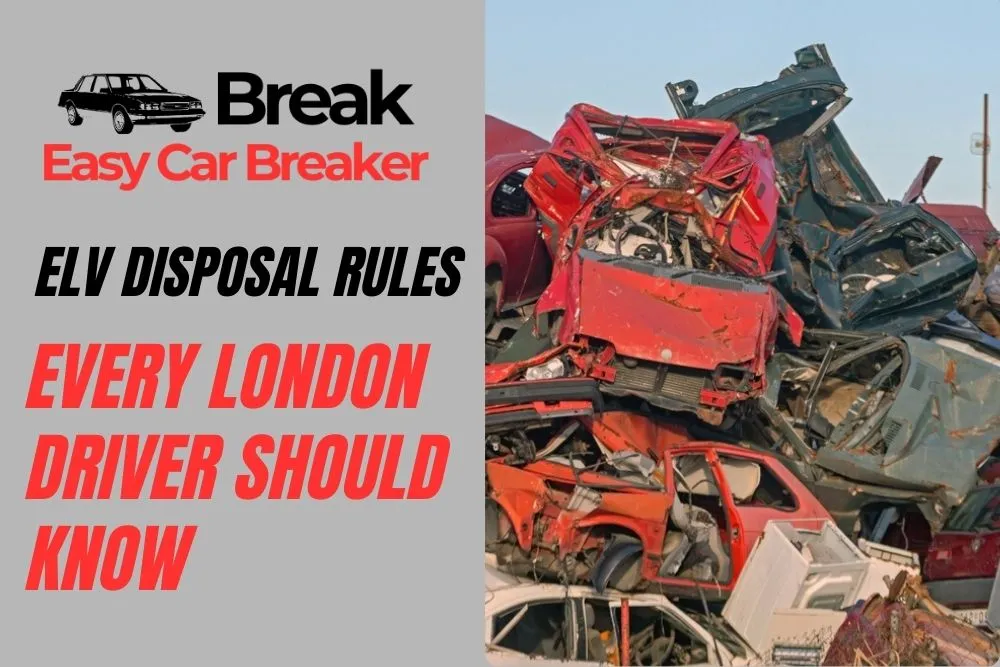
Owning a car in London has become a serious challenge over the last few years. You deal with heavy traffic, fighting for parking spots, and now the expanding emission zones that make older vehicles incredibly expensive to keep on the road. There comes a moment for every vehicle owner when the cost of repairs outweighs the value of the ride. When that time comes, you might assume you can just sell it for parts or hand the keys to anyone with a tow truck. However, the reality is much stricter.
Disposing of a car incorrectly can lead to surprise fines and legal headaches months down the line. We want to help you navigate this process smoothly so you can move on to your next vehicle without any lingering worry.
When Does a Car Legally Become Waste
It is easy to think of your car as just a machine, but the law sees it differently the moment you decide to stop using it. An End of Life Vehicle London classification applies to any car or light van that is no longer suitable for the road and is destined for destruction. This shift in status matters because your vehicle is now legally considered hazardous waste.
Your vehicle contains materials like lead, acid, mercury, and various oils that can harm the environment if they leak into the ground. Because of this, you cannot simply leave an old car rotting in your driveway or on a public street forever. Local councils have the power to remove abandoned vehicles and charge the registered keeper for the cost. Recognizing when your car has reached this stage is the first step in handling it responsibly.
The Vital Role of Approved Facilities
This is where many drivers make a mistake that later costs them. You might see flyers on lampposts or get offers from casual buyers who promise to take the car off your hands quickly. You must avoid these unregistered operators. The law requires you to use an Authorized Treatment Facility for disposal.
These are the only businesses with the government licence to depollute and dismantle vehicles safely. When you use a licensed service, you are protected. We ensure the car is handled in accordance with strict environmental standards. Unlicensed operators often strip the valuable metal and dump the rest, leaving the chassis registered in your name. If that happens, you could be held liable for their fly-tipping or illegal parking. Always ask to see the waste carrier licence before you agree to anything.
Why the Logbook Is Not Enough
A common misconception is that sending off the yellow slip from your V5C logbook clears you of all responsibility. While you do need to complete that section to notify the DVLA of a transfer, it does not prove the car has been scrapped. The only document that legally clears you is the Certificate of Destruction.
This certificate is generated directly from the DVLA database by the Authorized Treatment Facility. It proves the vehicle no longer exists and frees you from any future road tax or traffic fines associated with that registration number. If you do not receive this document, the DVLA considers the car to be still on the road. You could be fined £80 or more for failing to insure a vehicle that you thought was crushed weeks ago. Make sure you receive this certificate by email or have it handed to you shortly after collection.
Navigating the ULEZ Scrappage Scheme
London drivers have a unique opportunity that the rest of the UK does not. The ULEZ scrappage scheme offers substantial grants to help residents and small businesses replace polluting vehicles. However, Transport for London is very strict about the paperwork required to claim this money.
You cannot just scrap the car anywhere and expect a payout. You need a Certificate of Destruction from an approved facility that clearly dates the disposal. We often see people miss out on thousands of pounds because they use a service that cannot provide the correct evidence. If you are planning to apply for the grant, tell your scrap provider upfront. They can ensure every piece of paperwork aligns perfectly with TFL requirements, so your application goes through without a hitch.
What Actually Happens to Your Car
Understanding the vehicle recycling process can give you peace of mind that you are doing the right thing. When a professional team collects your car, it does not go straight into a crusher. The process is much more detailed.
First, the team removes the battery and drains all fluids, such as fuel, oil, and brake fluid. This is the hazardous-waste-disposal stage. Next, they remove the tyres and glass. Finally, they strip away reusable parts. The auto parts recycling industry is vital for keeping other cars running affordably. Only after all these steps is the metal shell crushed and sent to a steel mill. This cycle ensures that nearly every part of your old car gets a second life in some form, drastically reducing the need for new raw materials.
The Truth About Cash Payments
You might remember the days when you could weigh in a car and walk away with a pocket full of cash. Those days are gone. The Scrap Metal Dealers Act 2013 made it illegal to pay money for scrap vehicles in England and Wales. This law was introduced to stop metal theft and make every transaction traceable.
If a dealer offers you cash, consider it a major red flag. It usually means they are operating outside the law and are unlikely to handle your paperwork correctly. Legitimate companies will always pay via bank transfer or cheque. This creates a digital trail that protects both you and the dealer. It proves you sold the vehicle legally and were paid a fair market rate.
Handling the Final Paperwork
Once your car is collected, you have a few small jobs left to do. We mentioned the Certificate of Destruction, but you also need to handle the DVLA scrap notification properly. While the facility updates the database, you should also send the yellow section of your V5C to the DVLA or notify them online.
Doing this triggers an automatic refund for any full months of road tax left on the vehicle. You should also call your insurance provider immediately. You can transfer your policy to a new car or get a refund for the remainder of the term. Tying up these loose ends ensures you do not pay a penny more than necessary for a vehicle you no longer own.
Choosing the Right Partner
Finding a trustworthy service for scrap car disposal can feel overwhelming with so many options online. You want a company that is transparent about its pricing and helpful with the logistics. A good provider will offer free collection, handle the heavy lifting, and guide you through the document process.
Be wary of quotes that seem too good to be true. Some operators quote a high price on the phone but try to haggle down when they arrive to collect the car. A reputable service stands by their quote as long as the vehicle condition matches your description. You should feel comfortable asking questions about the license, payment method, and collection timing.
Conclusion
Saying goodbye to your old vehicle is a necessary part of driving in our city. By following the correct scrap car removal procedures, you protect yourself from fines, help the environment, and ensure you get a fair return for your vehicle. It is all about knowing the rules and choosing a partner who plays by them. If you want a stress-free experience where the paperwork is handled correctly and the payment is secure, the team at Break Easy Car Breaker is here to help you every step of the way.