
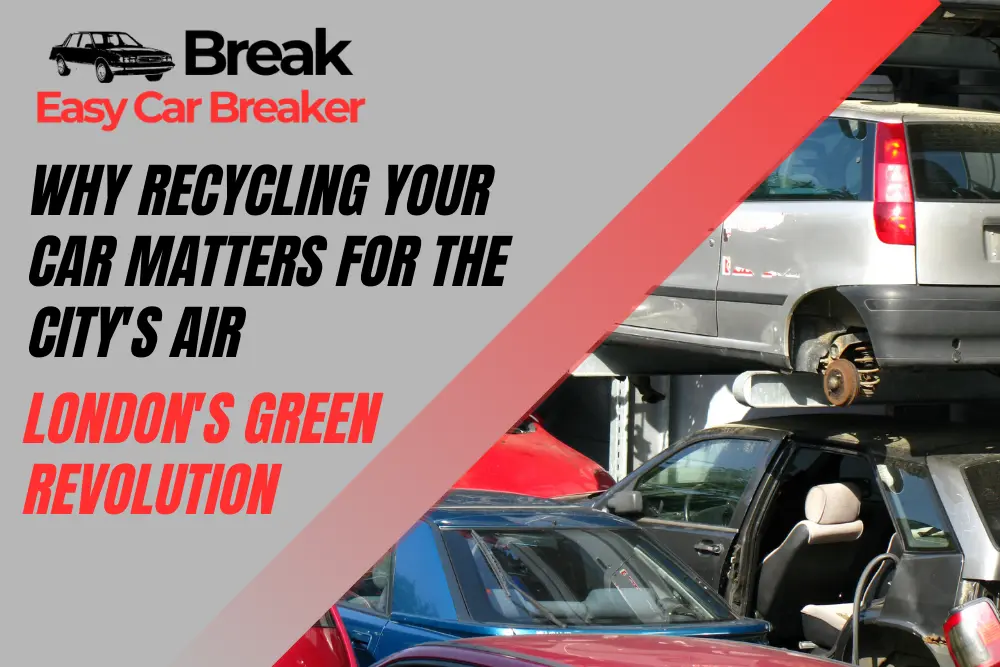
London faces a serious air problem. Millions of cars move through the city every day, and many of them are old, damaged, or no longer fit for the road. These vehicles release harmful gases that affect breathing, public health, and daily life. People often focus on public transport or electric cars, but one key step gets less attention. That step is what happens to cars that should no longer run.
Recycling old cars plays a direct role in cutting pollution and cleaning the air. When drivers act on time, they help reduce toxic smoke, limit waste, and support cleaner streets. This topic matters because every unused or failing car adds to the problem. This blog explains how car recycling helps London breathe better and why your choice makes a real difference.
How Old Cars Add to Air Pollution in London?
Old cars pollute more than most people think. Engines wear out over time. Fuel does not burn fully. Exhaust systems leak. All this leads to higher smoke output. These cars release more nitrogen dioxide and fine particles into the air. London already struggles with air pollution in many areas, especially near busy roads.
A car that fails its MOT often still sits on the street. Some owners delay action because they feel unsure about the next step. During this time, the vehicle still leaks fumes and fluids. Even parked cars can cause harm when parts rust and oils drip into drains. When many people delay, the impact grows across the city.
Why Car Recycling Improves Air Quality?
Car recycling removes polluting vehicles from the road. Once a car reaches the end of its life, keeping it running only adds to air pollution in London. Recycling stops this cycle. Licensed centres drain fluids, remove harmful parts, and break the car down in a safe way.
Recycled metals get reused in new products. This reduces the need for fresh mining, which also cuts pollution. When fewer raw materials are processed, factories release less smoke into the air. The result is cleaner air and less strain on natural resources.
Car recycling also supports cleaner transport goals. It clears space for newer cars that meet current emission rules. This helps the city move toward better air standards.
The Link Between Vehicle Emissions And Public Health
Vehicle emissions affect daily health. Breathing polluted air can cause coughing, chest pain, and long-term lung issues. Children and older adults face a higher risk. People who live near main roads feel the effects more often.
When old cars stay on the road, they increase these risks. Recycling them removes a major source of harmful gases. This step helps lower health costs and improves daily life for London residents. Cleaner air leads to fewer sick days and better sleep for many people.
How do the London Rules Support Car Recycling?
London uses strict rules to control pollution. Low-emission zones in London aim to reduce harmful vehicles in busy areas. Cars that fail to meet standards face charges or bans. These rules push owners to think about car disposal sooner.
The car disposal laws in the UK follow clear steps. Owners must use approved treatment centres. These centres follow safe methods and issue proof of destruction. This process protects the environment and keeps illegal dumping in check.
Recycling fits well with these rules. It gives car owners a legal and clean way to deal with unwanted vehicles.
What Happens During The Car Recycling Process?
The recycling process follows clear steps. First, workers remove batteries, fuel, oils, and coolants. These fluids can harm soil and water if left unchecked. Next, reusable parts get removed and sold again. This reduces waste and saves resources.
After that, machines crush the shell. Metals like steel and aluminium get sorted and sent for reuse. This step shows strong metal recycling benefits. Less energy is used compared to making metal from raw ore. This cuts factory smoke and saves power.
Each step helps reduce the scrap car environmental impact and supports cleaner air across the city.
Why Timing Matters When Recycling Your Car?
Waiting too long causes problems. A car left unused often leaks fluids and breaks down further. Towed or abandoned vehicles also add clutter to streets. They block space and attract fines.
Acting early makes the process smoother. When you choose scrap car removal at the right time, you stop pollution before it grows. You also avoid legal trouble and save time. Quick action helps both the owner and the city.
How Drivers Can Support London’s Green Goals?
Every driver plays a part. You can check your car’s condition often. If repair costs rise above the value, recycling makes more sense. Choose licensed centres only. This keeps the process clean and legal.
You can also plan. Keep documents ready. Remove personal items. Book collection when needed. These small steps help the system work better and faster.
When more people recycle cars on time, the city sees real change. The streets are clear. Air quality improves. Resources get reused instead of wasted.
Conclusion
Recycling old cars plays a direct role in cleaning London’s air. It removes heavy polluters, reduces waste, and supports city rules on emissions. When drivers act on time, they protect health and help the environment. Services like Break Easy Car Breaker help make this step simple and legal, giving car owners a clear path to do the right thing without stress.